Turkey manufactures cosmetics for the European Union, the Gulf and Central Asia from inside a customs union with the EU, on a cost base well below western Europe and a truck route that reaches Germany in days rather than weeks. That geography is the whole argument for sourcing there. The ten companies below are real, currently trading Turkish manufacturers whose official websites we opened and captured in July 2026 — not a directory scrape, and not a list of trading agents.
Article type: researched listicle · Written and researched by Evelyn Chong, Cosmetic Chemist & OEM Industry Analyst · Fact-checked by Marcus Tan, Private Label & Beauty Sourcing Consultant · Last reviewed 31 July 2026
Quick answer
Turkey’s OEM/ODM cosmetics sector divides into three groups: high-capacity fragrance and aerosol houses such as Erte Cosmetics, Gelişim Kozmetik and Dağlar Kozmetik; dermocosmetics specialists led by International Group Nacar in İzmir; and a younger tier of transparent, low-minimum contract laboratories including MKN Group, Élan Kimya and Elya Kozmetik. Published minimums start around 1,000–2,000 units per SKU, and Turkish cosmetics law is harmonised with EU Regulation (EC) No 1223/2009, so the safety documentation a Turkish factory produces is already in the format the European market expects.
Key takeaways
- Turkey’s structural advantage is the EU customs union combined with non-EU labour costs: finished cosmetics move into the European Union without customs duty, while production sits outside western European wage structures.
- Fragrance and aerosol capacity is the country’s deepest specialism. Erte states more than 100 million units a year; Gelişim quotes roughly 360,000 aerosol units a day. Few countries can match that concentration in one place.
- Published minimums are unusually low for the capability on offer — 1,000 units at MKN Group, 1,000–5,000 at Elya, 1,500–2,000 per SKU at Élan Kimya — but a published MOQ is a starting point, not a quotation.
- Turkish cosmetics law mirrors the EU regulation, so a Turkish-made safety dossier translates cleanly into a CPNP notification. It does not, however, remove the need for a Responsible Person established inside the EU.
- Website quality is an unreliable proxy for factory quality here. Several of the largest and oldest producers publish Turkish-only sites; several of the slickest English sites belong to the youngest companies.
How we chose, and who qualifies
Listed alphabetically by company name. The numbers are labels, not a ranking, and OEMHallmark does not sell placement.
To appear on this list a company had to pass all four screens, applied in July 2026:
- Physically manufactures in Turkey. Sourcing agents, trading houses and foreign laboratories running Turkey-targeted landing pages were excluded, however convincing the page.
- Publicly offers contract manufacturing, private label or ODM. An own-brand producer with no contract offer does not belong in an OEM/ODM list.
- Has a live, verifiable official website. We loaded each site in a real browser and captured the page; every screenshot below is that capture.
- Makes cosmetics as a named product line, not only supplements, detergents or household chemistry.
We did not audit any factory, inspect any certificate, request a quotation or test a product. Everything below comes from each company’s published material, which is why certifications are reported as claimed rather than verified. If this is your first overseas shortlist, our guide to vetting an overseas cosmetics manufacturer sets out which documents to request before any deposit moves.
The list at a glance
| Company | Base | Best suited to | Main limitation |
|---|---|---|---|
| Asil Global | Istanbul | Aerosol and fragrance filling for export | No published certifications or minimums |
| Dağlar Kozmetik | Elmadağ, Ankara | Perfume programmes at volume | Inland location, away from Istanbul freight |
| ÉLAN KIMYA | Antalya | First-time brands wanting a fixed timeline | Founded 2022, short track record |
| Elya Kozmetik | Habibler, Istanbul | Mid-size skincare and hair-care runs | Mostly Turkish-language site |
| Erte Cosmetics | Avcılar, Istanbul | Retail-scale repeat volume | Too large for a single trial SKU |
| Gelişim Kozmetik | Istanbul | Aerosols, deodorants, room fragrance | Narrow format specialism |
| Hunca Kozmetik | Çerkezköy, Tekirdağ | Established personal care and fragrance | Own brands are the priority |
| International Group Nacar | İzmir | Dermocosmetics sold into the UK and EU | Not a commodity-price factory |
| MKN Group | Istanbul | Low MOQ, fast sampling, one-stop services | Young company; verify published figures |
| Turunch Cosmetics | Kağıthane, Istanbul | Small first runs of care products | Cosmetic GMP certificate not published |
1. Asil Global
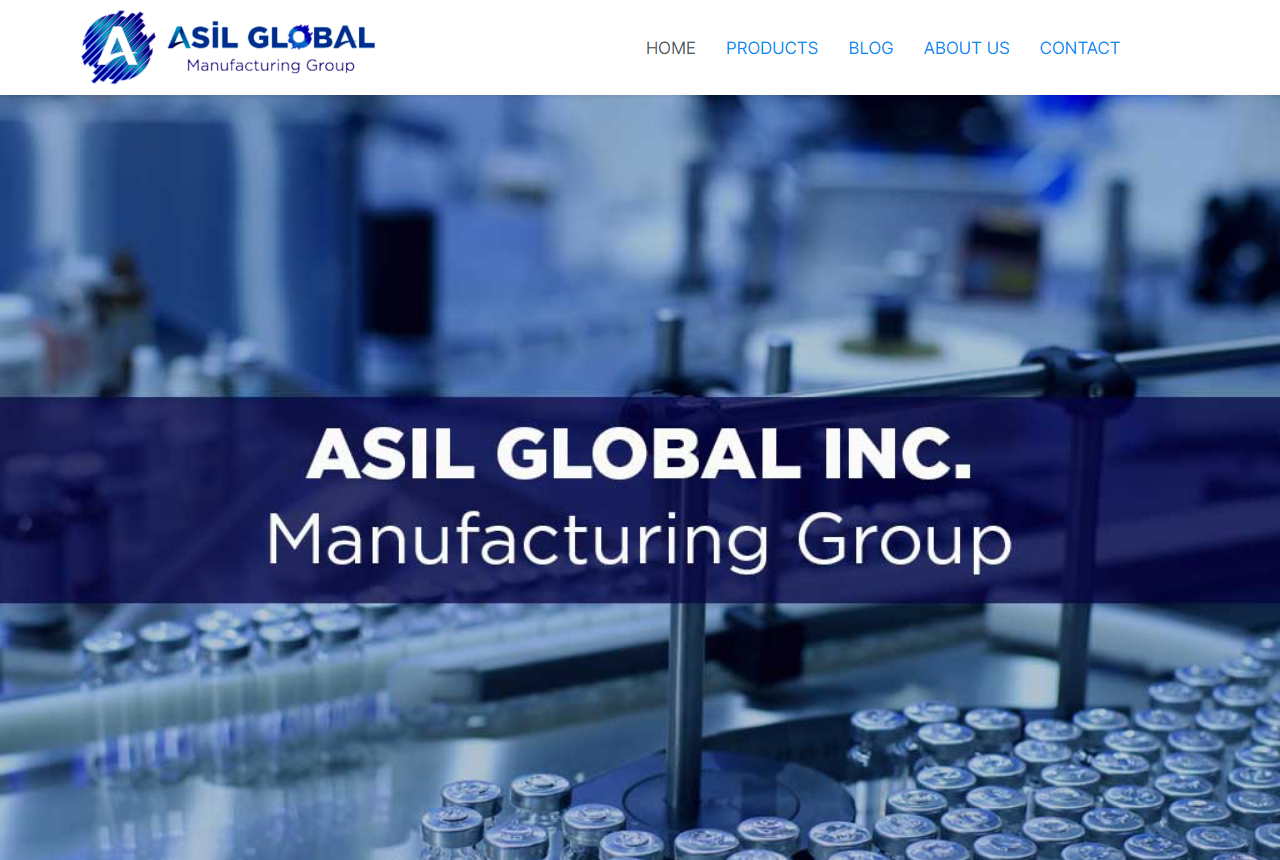
HQ: Istanbul · Type: Manufacturing group with contract and private-label filling · Best known for: Aerosol deodorants, fragrance and personal-care filling for export
Asil Global describes itself as a manufacturing group that produces under its own Biomate and Noxy Herbal labels while taking contract work for distributors and brand owners. The published range leans towards aerosol and liquid filling — deodorants and body sprays, perfumes, shower gels, shampoos and depilatory creams — with exports named to the United Kingdom, France, the Netherlands, Germany and Gulf markets. The site does not publish certificate numbers, batch minimums or plant size, so GMP status and MOQ are the first two things to establish in writing.
2. Dağlar Kozmetik A.Ş.
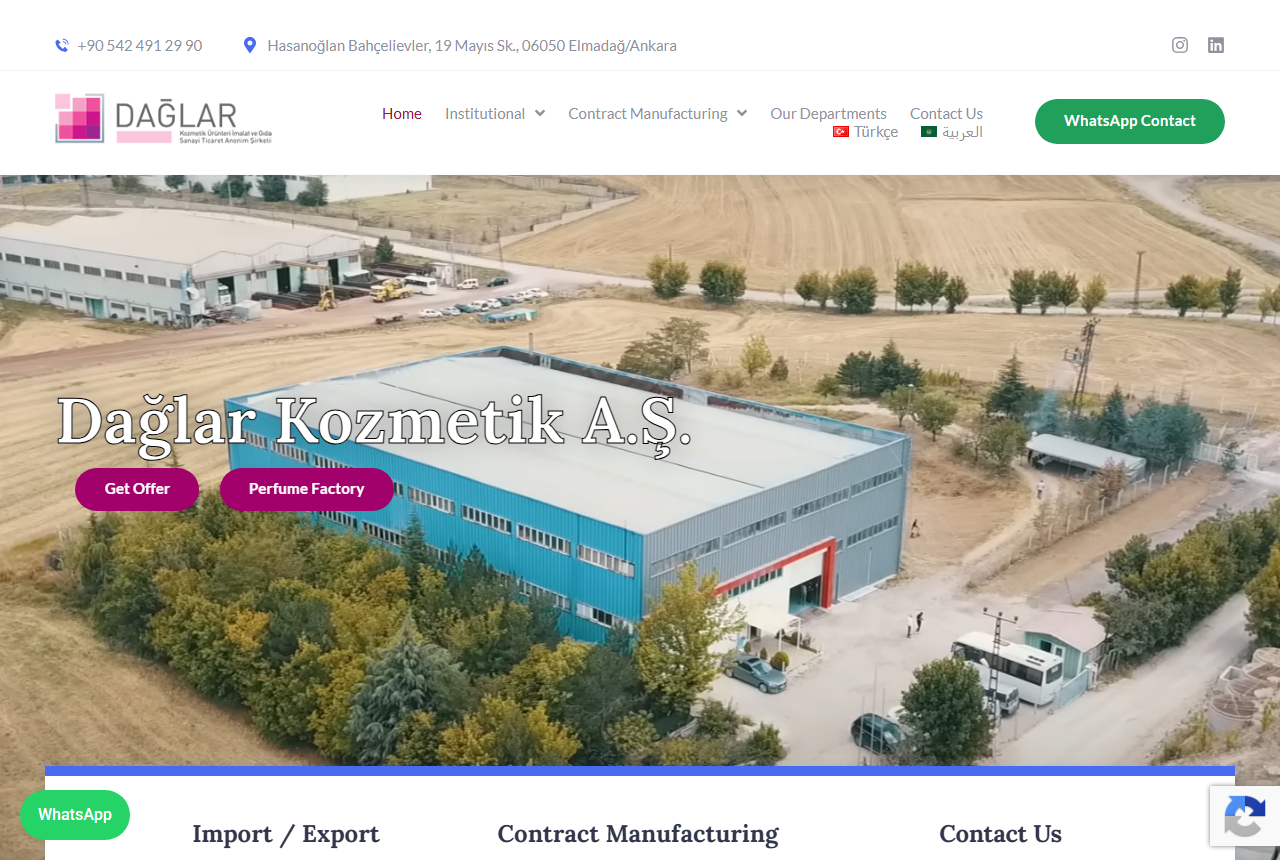
HQ: Elmadağ, Ankara · Type: Contract manufacturer (fason üretim) · Best known for: Perfume and fragrance production at volume
Founded in 1997, Dağlar operates a 14,000 m² plant outside Ankara and states it has manufactured for more than 1,400 brands across a dozen product categories. Fragrance is the visible specialism — the homepage carries a dedicated perfume-factory entry point — but the contract offer extends into personal care and dermocosmetics, and the company also handles import and export logistics. Its Ankara location is worth factoring in: it sits inland, away from the Istanbul freight corridor, which affects consolidation on smaller shipments.
3. ÉLAN KIMYA
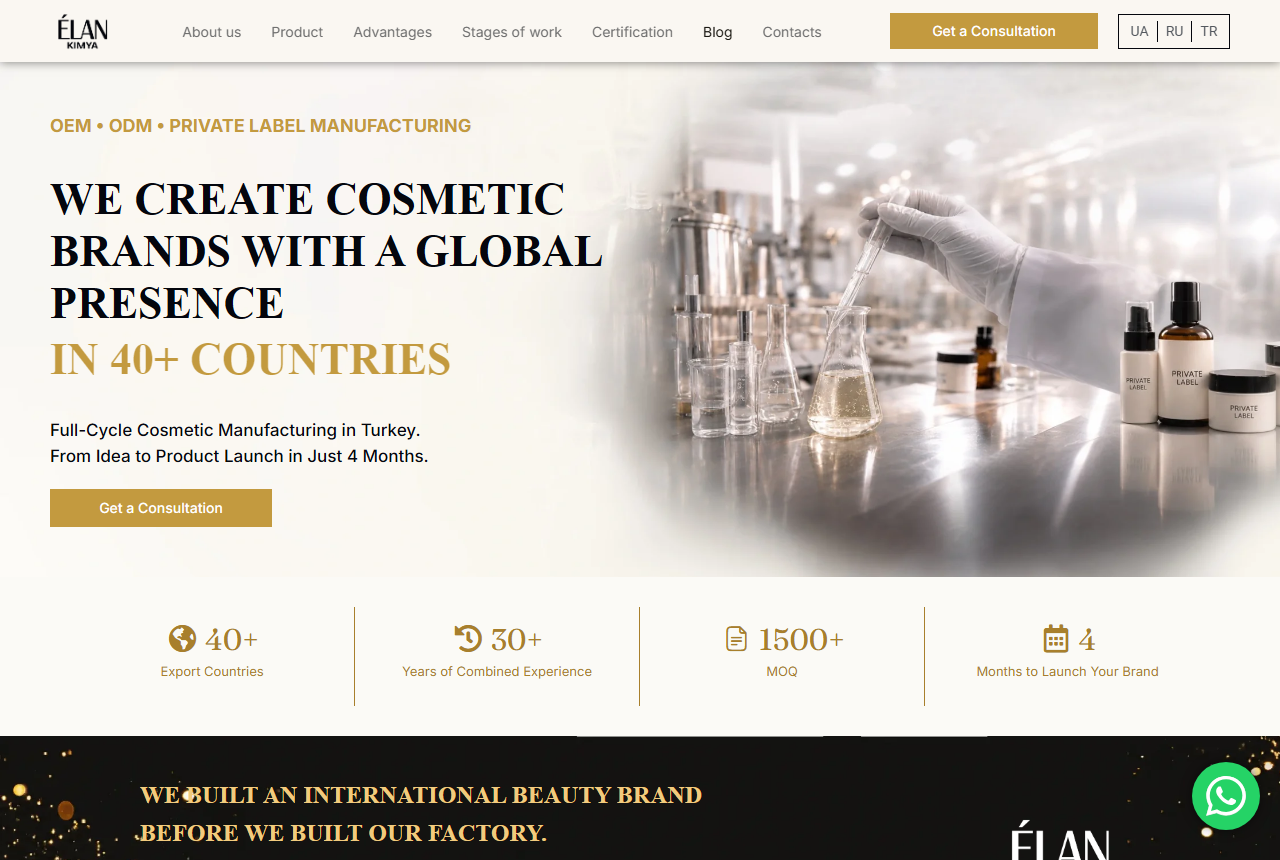
HQ: Antalya · Type: OEM, ODM and private-label manufacturer · Best known for: Full-cycle brand launches on a published timeline
Élan Kimya is the youngest company on this list, established in 2022 and built around a stated “idea to launch in four months” process: one to two weeks for formula development and sampling, then three to four weeks of production. It publishes what most Turkish manufacturers do not — a minimum of roughly 1,500–2,000 units per SKU, exports to more than 40 countries, and production in line with GMP and ISO 9001:2015 with dossiers prepared for CPNP, FDA and GCC markets. Coverage runs across skincare, hair care, colour cosmetics and brow and lash products. The short trading history is the obvious trade-off against that transparency.
4. Elya Kozmetik (Elya Pharma Cosmetic)
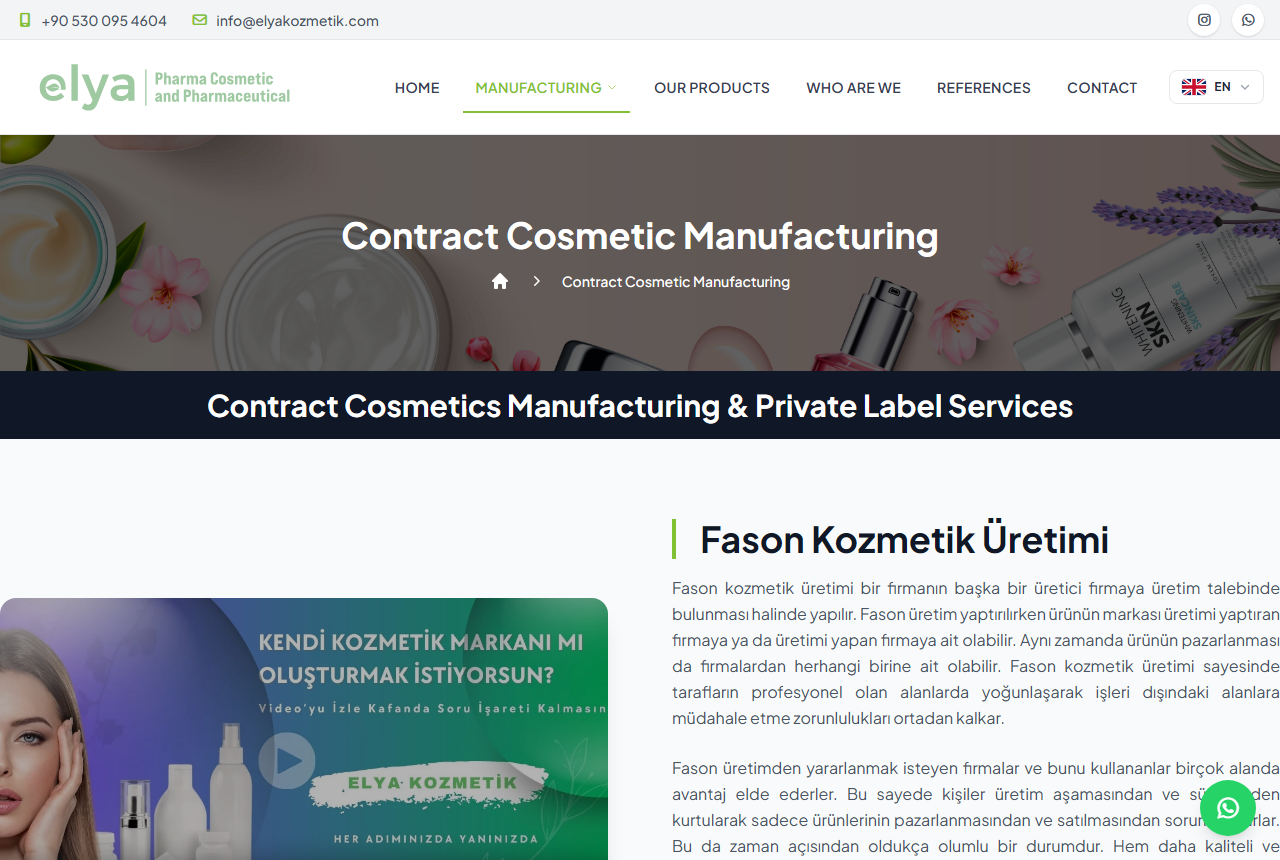
HQ: Habibler, Istanbul · Type: Contract cosmetics and food-supplement manufacturer · Best known for: Mid-size runs across skincare and hair care
Elya’s contract-manufacturing page is one of the clearer explanations of Turkish fason üretim on the open web, and its product list is broad for a mid-size house: creams, serums, sunscreens, shampoos, BB creams, tonics, peelings, clay masks and keratin treatments, with food supplements produced alongside. The company describes GMP-certified facilities and flexible minimums typically quoted in the 1,000–5,000 unit range, which puts it within reach of a brand launching two or three SKUs. Most of the deeper site content is Turkish-only, so the first exchange will establish the working language.
Visit Elya Kozmetik (Elya Pharma Cosmetic) →
5. Erte Cosmetics
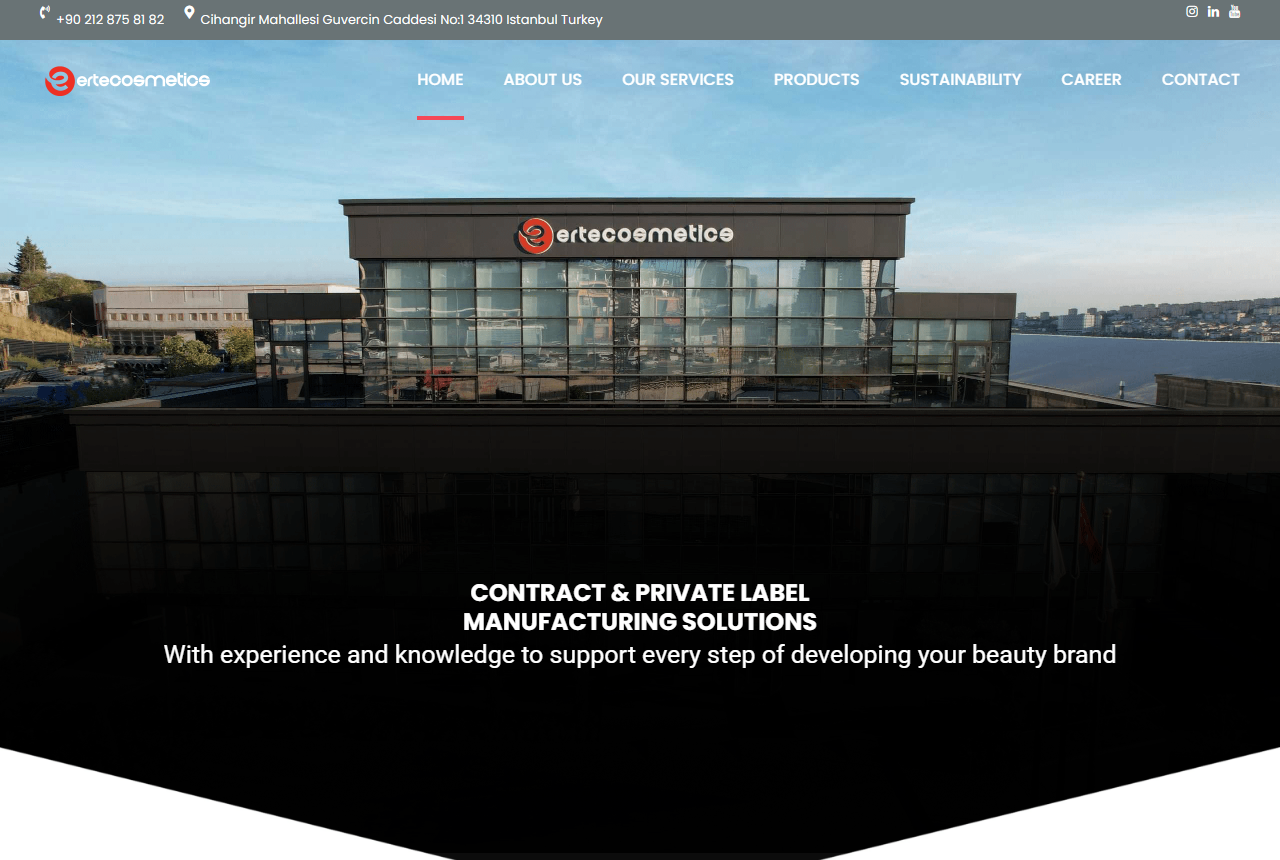
HQ: Avcılar, Istanbul · Type: Large-scale contract and private-label manufacturer · Best known for: High-volume fragrance, bath and body programmes
Part of the Erkul Group and trading since 2003, Erte is the largest dedicated contract manufacturer here: a stated 40,000 m² production area, around 310 staff, capacity above 100 million units a year and exports to more than 65 countries. The service runs from concept and formula development through packaging design, filling and shipping, across perfume, home fragrance, bath and body, skincare and hair care. Scale of that kind is an advantage on repeat retail volume and a poor fit for a single trial SKU — expect the commercial conversation to start at a level that reflects the plant.
6. Gelişim Kozmetik
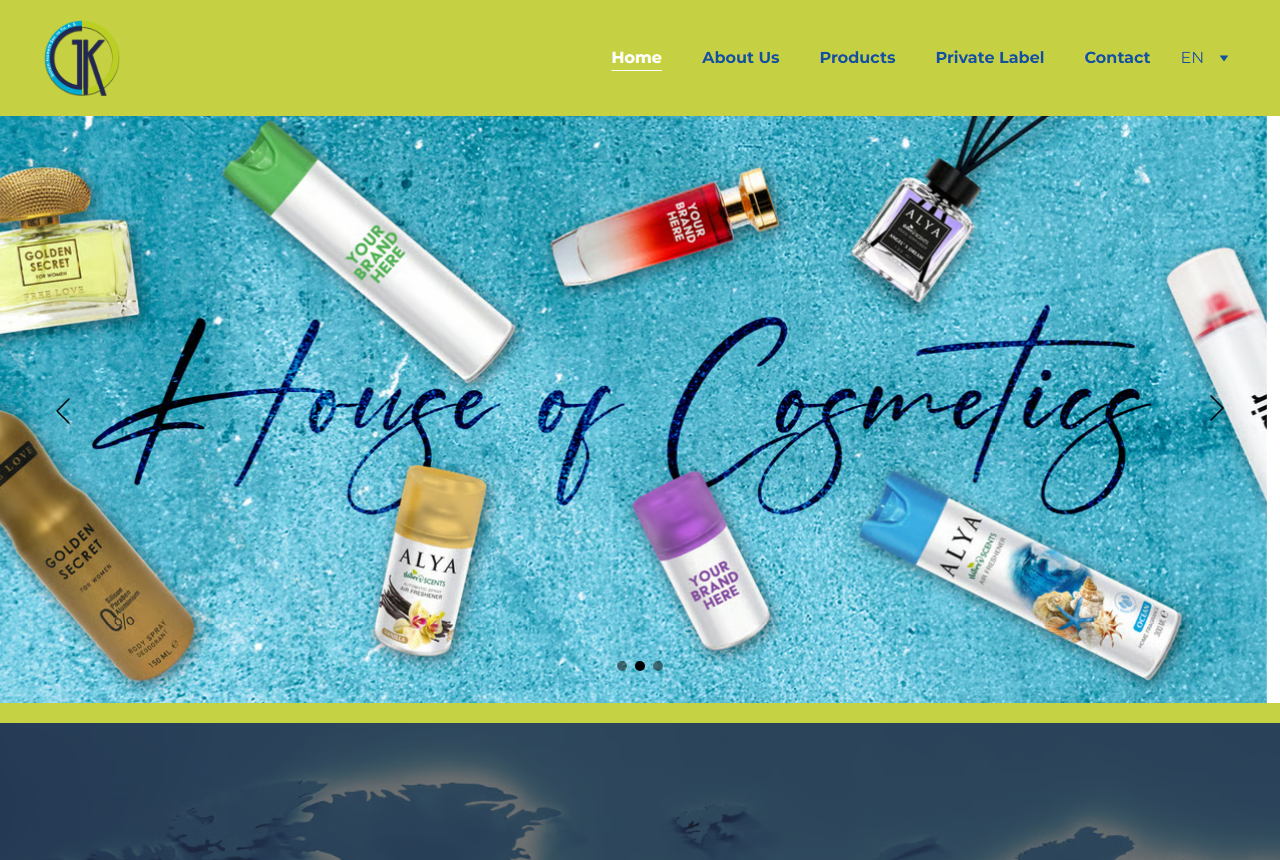
HQ: Istanbul · Type: Aerosol and fragrance manufacturer with a private-label division · Best known for: Aerosol deodorants, body sprays and room fragrance
With more than 30 years of trading and a 12,000 m² plant, Gelişim is a specialist rather than a generalist. Published daily capacity is roughly 360,000 aerosol units alongside about 75,000 perfume and liquid units, and the company exports to over 50 countries under its own ALYA, CHEETAH and PROVA brands as well as for private-label clients, citing ISO 9001:2015 and GMP compliance. If your product is a pressurised or fragrance format, this depth is difficult to match elsewhere in Turkey; if it is a serum or a treatment cream, this is the wrong door.
7. Hunca Kozmetik
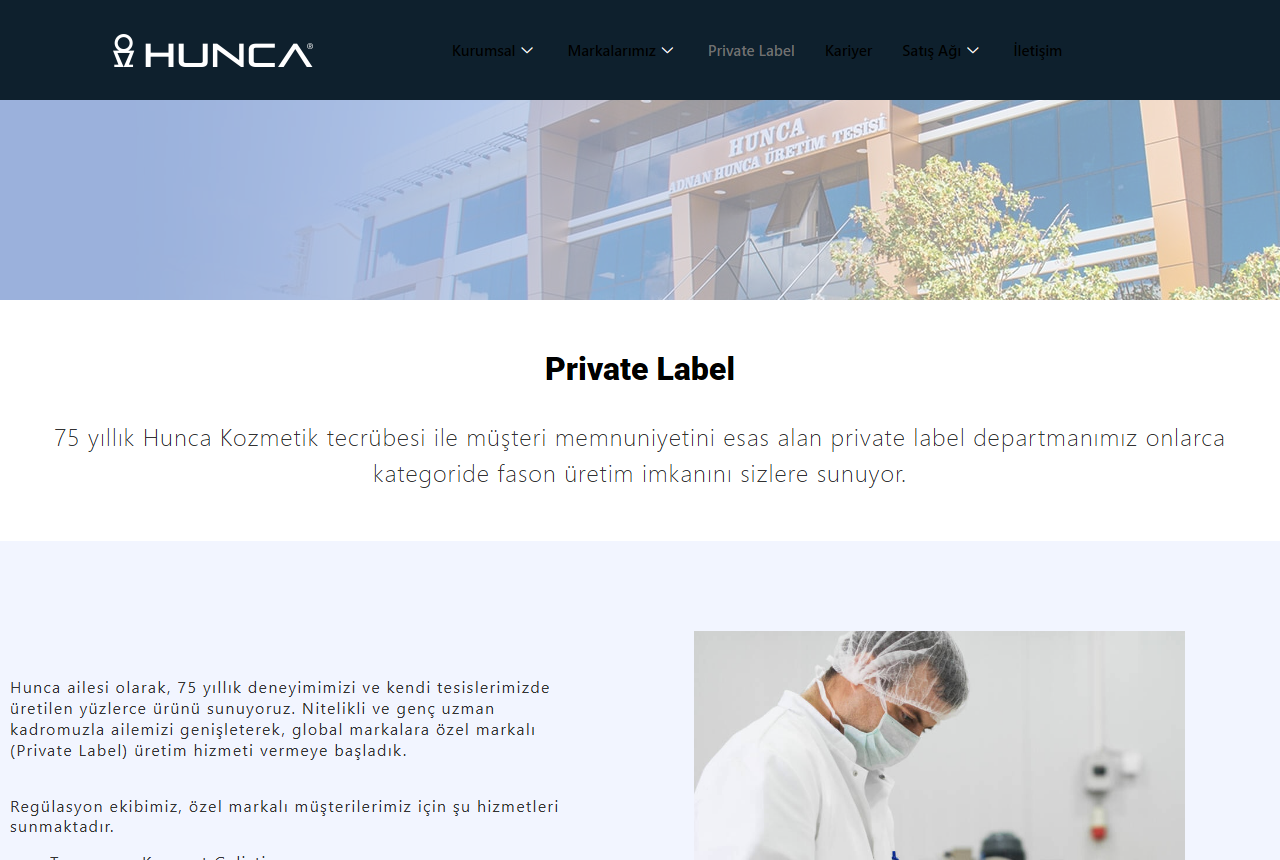
HQ: Istanbul; production at Çerkezköy, Tekirdağ · Type: Own-brand house with a dedicated private-label department · Best known for: Deodorant, fragrance and personal care with a 75-year history
Hunca is one of Turkey’s oldest cosmetics companies, founded by Adnan Hunca in Istanbul and now producing from a 22,000 m² plant at Çerkezköy with more than 500 employees and exports to over 60 countries. Private label is a named department with its own regulatory team rather than an afterthought bolted onto the factory. The caveat is structural: the group’s own brands are the commercial priority and the site is Turkish-language, so an export brand should establish early how contract projects are scheduled against internal production runs.
8. International Group Nacar (IGN)
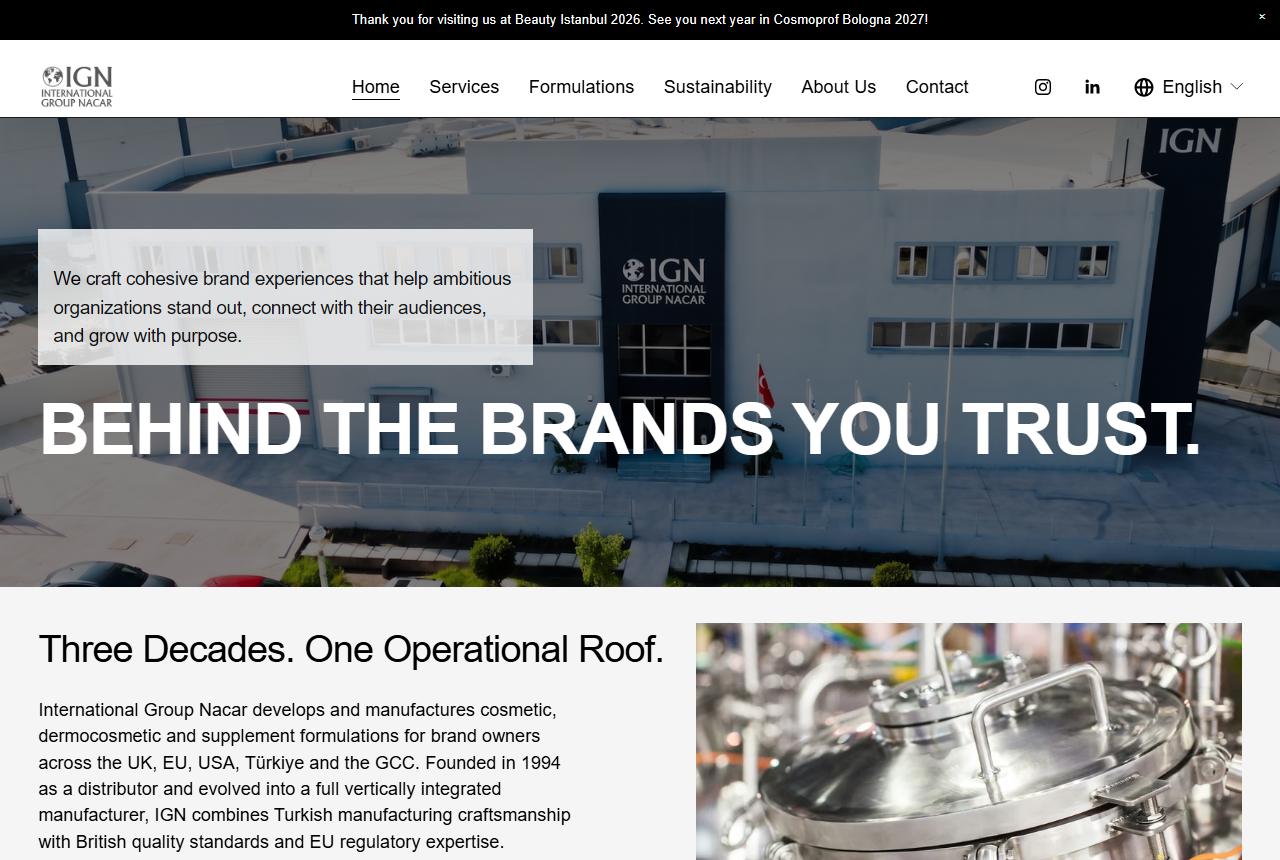
HQ: İzmir · Type: Vertically integrated dermocosmetics manufacturer · Best known for: Dermocosmetics and suncare with UK and EU regulatory support
IGN has been operating since 1994 and runs two GMP-certified factories in İzmir, with offices in London and Tallinn — an unusual structure that places EU and UK regulatory capability inside the same group as the plant. The catalogue spans skincare, suncare, dermocosmetics, colour cosmetics, men’s and professional ranges plus supplements, and the company states it handles everything from low-MOQ runs to commercial-scale batches. For a brand selling into the UK or the EU, having the Responsible Person conversation with a manufacturer that already holds entities there is a practical advantage rather than a marketing line.
Visit International Group Nacar (IGN) →
9. MKN Group
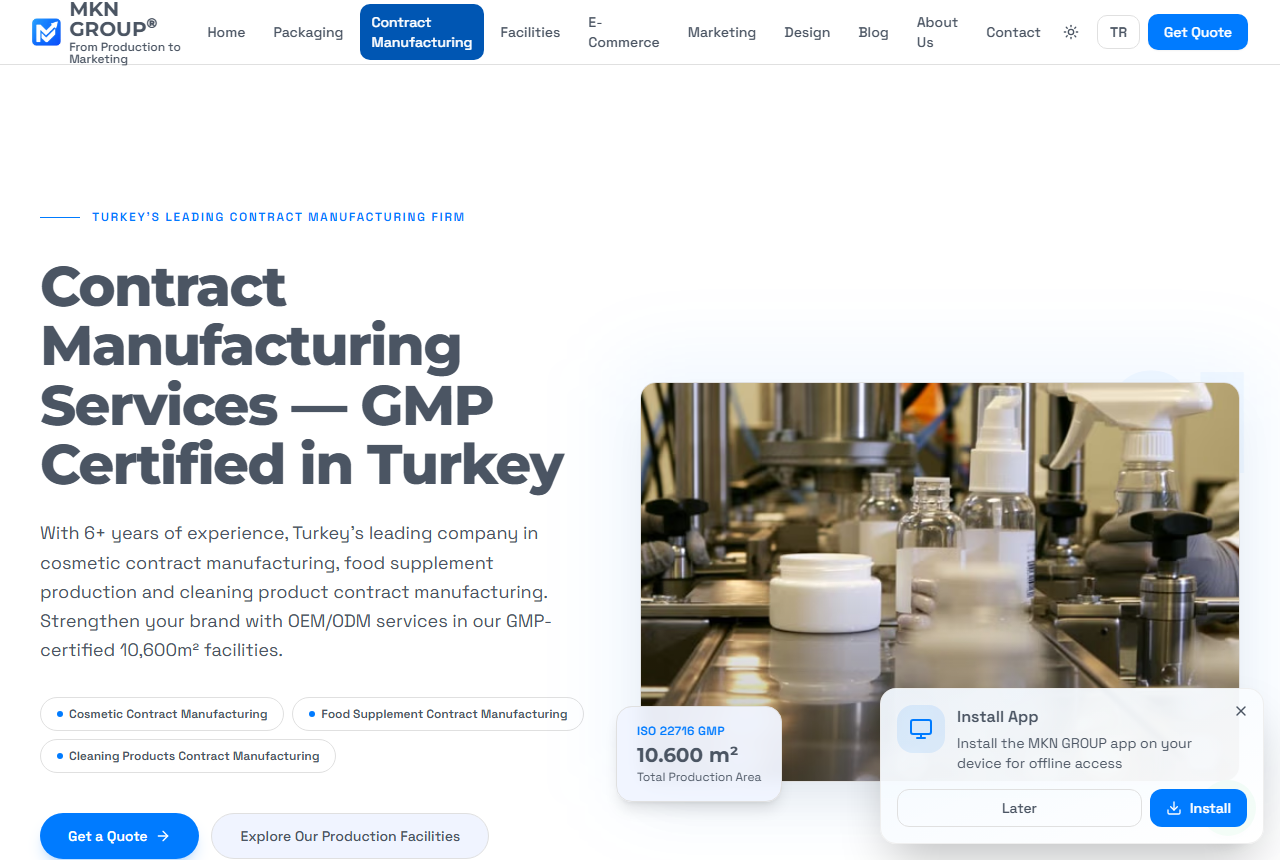
HQ: Istanbul · Type: Contract manufacturer with packaging and e-commerce services · Best known for: A published 1,000-unit minimum and seven-day sampling
MKN publishes the figures most buyers have to ask for: ISO 22716 cosmetic GMP certification, 10,600 m² of production area, a 1,000-unit minimum order and a seven-day sample turnaround, across cosmetics, food supplements and cleaning products. It also sells packaging, design, e-commerce and marketing services, which is convenient for a first-time brand and blurs the line between manufacturer and agency for one that already has those functions. Note the company’s own framing of “6+ years of experience” — this is a young operation next to Erte or Hunca, and the published numbers deserve verification rather than assumption.
10. Turunch Cosmetics
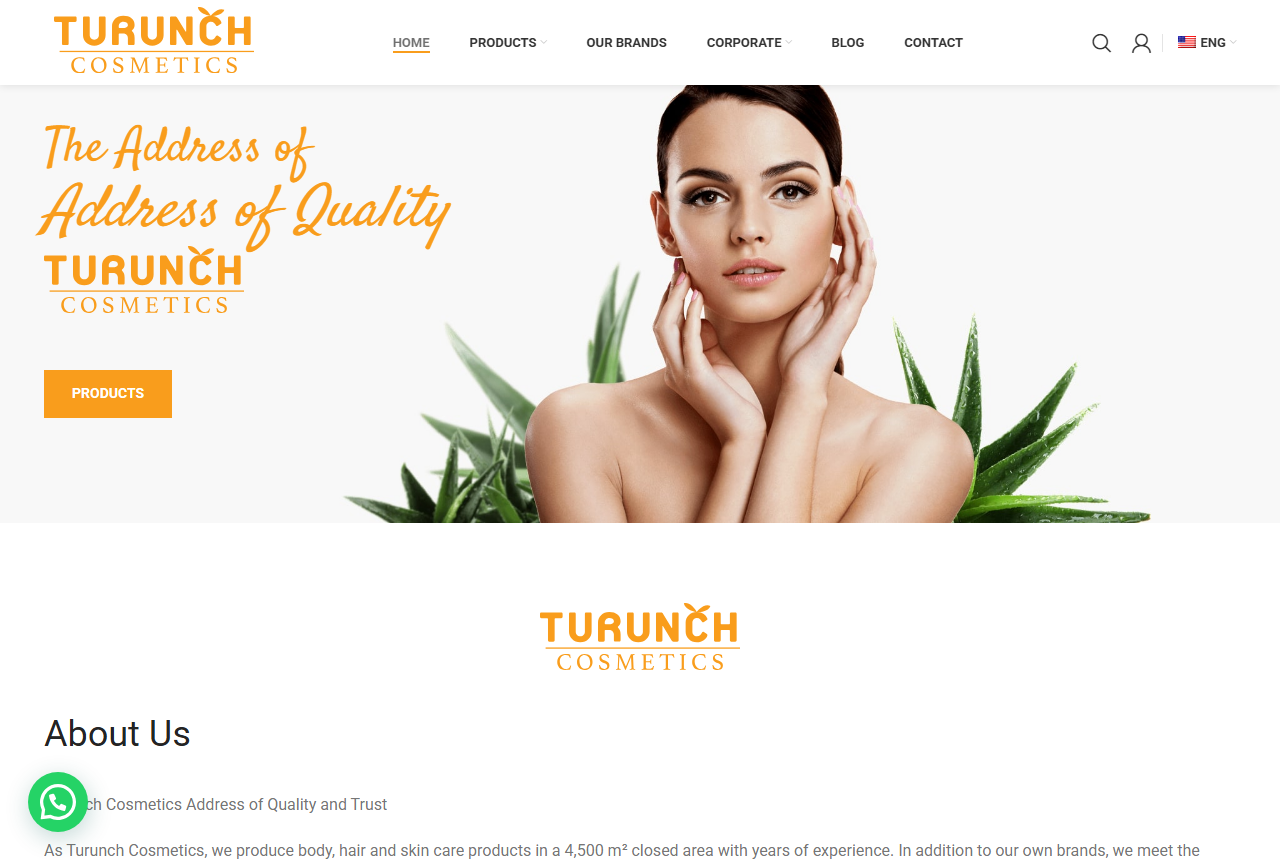
HQ: Kağıthane (Seyrantepe), Istanbul · Type: Manufacturer-brand with a private-label service · Best known for: Skin, body and hair care from a compact Istanbul facility
Turunch produces skin, body and hair care from a 4,500 m² facility and runs its own brand portfolio alongside private-label work for partners. It publishes a management-system certificate set — ISO 9001:2015, ISO 14001, ISO 45001 and ISO 10002 — and references GMP practice in its contract-manufacturing material, although the cosmetic GMP certificate itself is not documented on the site. At this footprint it is a small-batch proposition rather than a retail-volume one, which suits a brand testing a first range and will frustrate one forecasting pallets.
What Turkish manufacturing means for your compliance file
Cosmetics made in Turkey fall under Cosmetic Law No. 5324 and the Cosmetic Products Regulation, administered by the Turkish Medicines and Medical Devices Agency (TİTCK) within the Ministry of Health. The Turkish regime is deliberately harmonised with EU Regulation (EC) No 1223/2009, which is why a Turkish manufacturer’s Product Information File and safety assessment normally map onto the European format without being rebuilt. For the domestic Turkish market, products must be notified before sale through the national Product Tracking System (Ürün Takip Sistemi, ÜTS), and a Responsible Person established in Turkey must be named; the Ministry of Trade publishes the sector rules in English in its product rules database.
Three consequences matter commercially. First, Turkey and the EU share a customs union for industrial goods, so finished cosmetics generally enter the European Union free of customs duty with an A.TR movement certificate — a real cost advantage over Asian sourcing that VAT and freight do not erase. Second, harmonised law is not the same as automatic market access: selling in the EU still requires notification through the Cosmetic Products Notification Portal and a Responsible Person established inside the EU, which your Turkish factory is not. Third, every other destination — the United Kingdom, Malaysia, the Gulf states — requires its own separate notification of the same formula. Our comparison of OEM, ODM and private label sets out how much of that documentation burden each contracting model actually shifts onto the manufacturer.
Notable exclusions
A screen only means something if you can see what it removed. These companies were researched and left out:
- Carasa Lab. Ranks well for “cosmetics manufacturer Turkey” and reads like one, but its production site and registered address are in Oiartzun, Gipuzkoa, Spain. It failed the first screen: it does not manufacture in Turkey.
- Karen Global Cosmetics and Norm Bitkisel. Both are genuine Turkish producers with real private-label offers. Both served a cookie-consent panel over the homepage hero throughout our capture window, so we could not produce a verified screenshot of the page we would be sending readers to.
- BIOFIN Cosmetics. An established Istanbul dermocosmetics maker, excluded because its homepage imagery never rendered across repeated captures, leaving nothing verifiable to publish.
- SCK Zeta Kimya. A real private-label manufacturer trading since 2000; its homepage slider was mid-transition behind a cookie bar in every capture attempt.
- Dalan Kimya. A long-established İzmir soap and personal-care producer with a clean corporate site, but that site presents its own consumer brands and carries no contract-manufacturing offer.
- Heni Cosmetics & Chemicals. A genuine Istanbul factory with a private-label service, left out on category grounds: its published catalogue spreads across detergents and unrelated consumer categories, and we prioritised companies whose contract offer is centred on beauty and personal care.
- Eczacıbaşı, Farmasi and Aksu Vital. Large, well-known Turkish beauty names, but they operate as own-brand or direct-selling houses without a published contract-manufacturing offer for external brands.
Methodology, limitations and conflicts
Research window: 31 July 2026. Candidates were identified through open web research, then screened against the four criteria above. Each surviving company’s official website was loaded in a real browser at 1280 px and captured; every screenshot in this article is that capture, dated to the research window. Sites returning a parked page, an error, a bot-verification challenge or a modal over the homepage were rejected rather than worked around, which is why the exclusions list is longer than usual for a European market.
What we did not do: we did not visit any factory, inspect any certificate, request a quotation, test a product or contact any company. Certifications, capacities and minimums are reported as published by each manufacturer and should be independently verified before you commit. Published minimum order quantities in particular describe the factory’s filling floor, not your packaging supplier’s — a custom bottle or pump usually sets the real order size, and payment structure changes the cash position again, as our guide to payment terms and deposits explains.
If you find an error, tell us and we will correct it and log the change below.
Frequently asked questions
Do I need Turkish regulatory approval if I manufacture in Turkey purely for export?
No. Notification through Turkey’s ÜTS system and a Turkey-established Responsible Person are requirements for placing a cosmetic on the Turkish domestic market. If your goods are produced in Turkey and shipped straight to another market, the compliance obligations that bind you are those of the destination — a CPNP notification and an EU Responsible Person for the European Union, an SCPN notification for Great Britain, an NPRA notification for Malaysia. Your Turkish manufacturer supplies the underlying dossier; it does not carry the legal role in your market.
How does manufacturing cosmetics in Turkey compare with China or Poland in 2026?
Turkey sits between the two. Against China, it offers far shorter lead times into Europe and duty-free entry to the EU under the customs union, at higher unit prices on commodity formats. Against Poland, it is generally cheaper on labour but sits outside the single market, so an EU-bound product needs import clearance that Polish production does not. Compare landed cost per filled unit on your own specification rather than country-level averages — see our China and Poland lists for the comparison set.
What is the smallest order a Turkish cosmetics manufacturer will accept?
Among the companies on this list the lowest published figures are 1,000 units at MKN Group, 1,000–5,000 units at Elya Kozmetik and 1,500–2,000 units per SKU at Élan Kimya; the large fragrance houses do not publish minimums and generally work well above those levels. Treat any published number as the bulk and filling floor only. Custom packaging components routinely carry minimums of several thousand pieces, and that, not the factory, usually decides the size of a first order.
Update history
- 31 July 2026 — First publication. Ten manufacturers screened, verified and captured; seven companies or groups documented in Notable exclusions.
Sources: each company’s official website as captured on 31 July 2026; Turkish Cosmetic Law No. 5324 and the Cosmetic Products Regulation as published by TİTCK; the Turkish Ministry of Trade product rules database; Regulation (EC) No 1223/2009 and the European Commission cosmetics portal. Screenshots are page captures from the research window and may not reflect later site changes. This article is editorial research, not a certification check — verify certifications, capacity and contractual terms directly with any manufacturer before entering an agreement.
Building a sourcing shortlist across Europe and the Mediterranean? Compare this list with our guides to OEM/ODM cosmetic manufacturers in the UK, Germany and Italy, or work through the numbers first with our guide to MOQ, lead time and pricing.